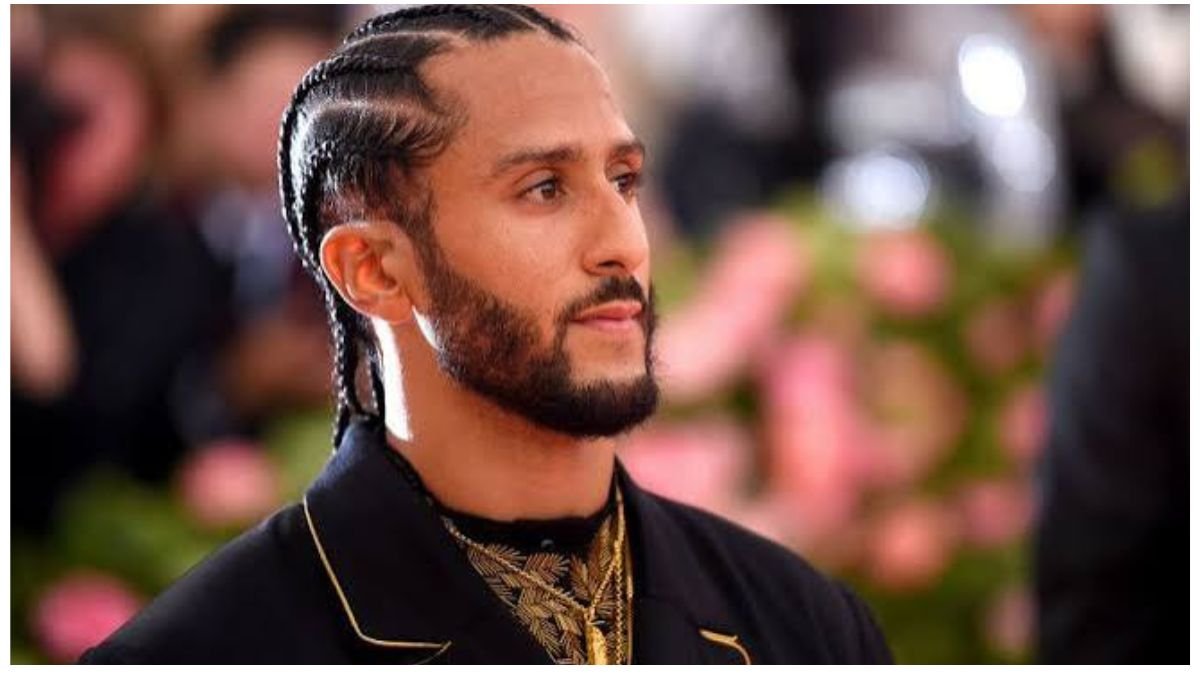
Explore the story of Colin Kaepernick’s parents, from his adoption by Rick and Teresa Kaepernick to the role of his biological mother, Heidi Russo, and absent father, Anthony Dennis. Learn how his family background shaped his identity, career, and activism.
Colin Kaepernick was born on November 3, 1987, in Milwaukee, Wisconsin, to a young mother named Heidi Russo. At just nineteen years old, Russo faced the difficult decision of placing her son for adoption.
Colin’s biological father, Anthony Dennis, an African American man, left before his birth and played no role in his life.
At six weeks old, Colin was adopted by Rick and Teresa Kaepernick, a white couple from Wisconsin who had already endured the heartbreak of losing two sons, Kent and Lance, to congenital heart defects.
Their decision to adopt Colin was rooted in love and resilience, and it gave him the foundation for the life he would later build.
Rick Kaepernick worked in the dairy industry, while Teresa was a nurse. Together, they raised Colin alongside their two biological children, Kyle and Devon.
In 1992, the family relocated to California due to Rick’s job promotion, and it was there that Colin’s athletic talents began to flourish. Rick and Teresa nurtured his abilities in football, basketball, and baseball, supporting his dreams every step of the way.
Their love and encouragement helped Colin grow into a confident young man, despite the challenges of being a biracial child in a predominantly white environment.
Biological Mother Heidi Russo
Colin’s biological mother, Heidi Russo, has occasionally spoken publicly about her decision to place him for adoption.
She has expressed regret but also acknowledged that her choice gave Colin opportunities she could not have provided at the time.
Russo later became a nurse and has tried to reach out to Colin, though he has not pursued a relationship with her. Her story reflects the difficult choices young mothers often face and the lasting impact those decisions can have.
Biological Father Anthony Dennis
Colin’s biological father, Anthony Dennis, left before his birth and has remained absent from his life. His absence created a void that Colin filled with the strength and resilience instilled by his adoptive parents.
While Dennis’s role in Colin’s life is minimal, his identity as an African American man contributed to Colin’s biracial heritage, which became a central part of his personal and public identity.
Colin has often spoken about the complexities of growing up as a biracial child in a white household.
He faced questions about race and belonging from an early age, experiences that shaped his worldview and later activism. Overtrick and Teresa provided unwavering support, but Colin’s journey of self‑identity was uniquely challenging.
His upbringing highlighted the intersection of race, adoption, and identity in America, themes that would later resonate in his activism.
From high school to college, Colin excelled in sports, eventually earning a scholarship to play football at the University of Nevada.
His adoptive parents were there every step of the way, cheering him on and supporting his ambitions.
When he entered the NFL in 2011 with the San Francisco 49ers, Rick and Teresa proudly watched their son achieve greatness on the field.
Colin’s rise to fame was not just his own achievement but also a testament to the love and support of his family.
In 2016, Colin made headlines worldwide when he chose to kneel during the national anthem to protest police brutality and racial injustice.
His decision sparked controversy and debate, but it also highlighted the influence of his upbringing.
Growing up in a white household while identifying as a Black man gave Colin a unique perspective on race in America.
Rick and Teresa stood by their son, defending his right to protest and expressing pride in his courage. Their support during this time underscored the strength of their family bond.
Rick and Teresa’s decision to adopt Colin after losing two children to heart disease gave him a chance at life that shaped his destiny.
Their love and guidance helped him become not only a successful athlete but also a powerful voice for social justice. Their legacy is inseparable from Colin’s, as they provided the foundation for his journey.
Heidi Russo has expressed admiration for Colin’s courage and activism, even though she has not been part of his life.
Her perspective adds another layer to Colin’s story, highlighting the sacrifices and challenges faced by young mothers.
While Colin has chosen not to pursue a relationship with her, her role in his life remains significant as the woman who gave him life and made the difficult choice to place him for adoption.
Colin Kaepernick’s family story is complex, involving adoptive parents who gave him love and opportunity, a biological mother who made a painful but selfless choice, and a biological father who remained absent.
Together, these elements shaped Colin’s identity and influenced his activism.
His story is not just about football or protest; it is about family, resilience, and the power of identity.
In conclusion, Colin Kaepernick’s parents, both adoptive and biological, played roles that defined his journey.
Rick and Teresa Kaepernick gave him a home, love, and opportunity, shaping the man who would one day challenge America to confront racial injustice.
Heidi Russo made a painful but selfless choice, while Anthony Dennis’s absence left Colin to forge his identity without him.
This complex family background influenced Colin’s activism, his courage, and his determination to stand or kneel for what he believes in.
His parents’ story is inseparable from his own, making Colin Kaepernick not just a football player or activist, but a man whose life reflects the power of family, identity, and resilience.